Marrakech: The Red City That Captures Every Heart
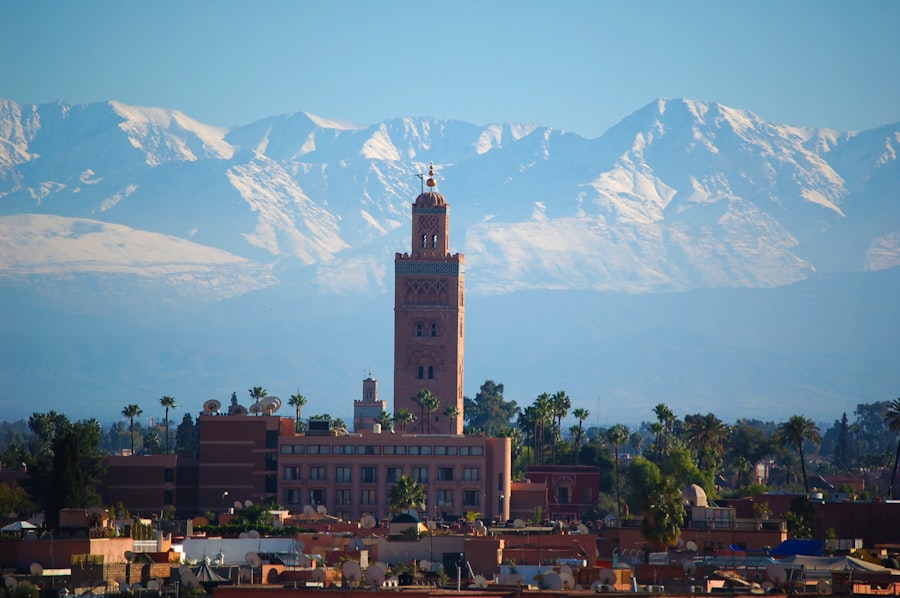
Marrakech is unlike any city on earth. Founded in 1070 by the Almoravid dynasty, it has served for nearly a thousand years as Morocco's cultural, economic, and spiritual crossroads. Today it is simultaneously a medieval UNESCO World Heritage medina, a hub of contemporary design hotels, and one of the most Instagrammed destinations on the planet. Understanding how to navigate these layers is the key to an unforgettable trip.
The city divides between the ancient medina (old city) and the modern Gueliz and Hivernage neighborhoods. Most visitors base themselves in the medina's traditional riads — inward-facing guesthouses built around private courtyard gardens — which offer an immersive and deeply local experience that no international hotel chain can replicate.
"Marrakech is a feast for every sense — color, sound, scent, texture, and taste collide in a way that simply cannot be replicated anywhere else in the world."
Best Time to Visit Marrakech
The ideal time for most travelers is spring (March to May) or early autumn (September to November). During these shoulder seasons, daytime temperatures sit comfortably between 20–28°C, skies are reliably clear, and the city's gardens are in full bloom. Hotels and riads are in their prime but not yet overwhelmed.
Summer (June–August) is intensely hot, with temperatures frequently exceeding 40°C. Visit in summer and plan all sightseeing for early mornings and evenings — embrace the slow midday rhythm as locals do. Winter (December–February) brings pleasant daytime temperatures of 15–20°C but cold nights — pack layers. The upside: fewer tourists and significantly lower riad prices.
Ramadan, which shifts each year, creates a unique atmosphere. Daytime is quiet and contemplative; after dark, the city explodes with life as iftar is celebrated. It is a genuinely special time to visit, though some restaurants and attractions may have reduced hours.
Marrakech Itinerary: How Many Days Do You Need?
A minimum of 3 days allows you to cover the main Marrakech attractions without feeling rushed. With 4–5 days, you can add a day trip to the Atlas Mountains, Ourika Valley, or spend a night at an Agafay Desert glamping camp. A full week allows for slow exploration, cooking classes, hammam rituals, and discovering the quieter residential neighborhoods most visitors never see.
Suggested 3-Day Marrakech Itinerary
- Day 1: Arrive, check into your riad, wander the Djemaa el-Fnaa area, explore evening food stalls and music
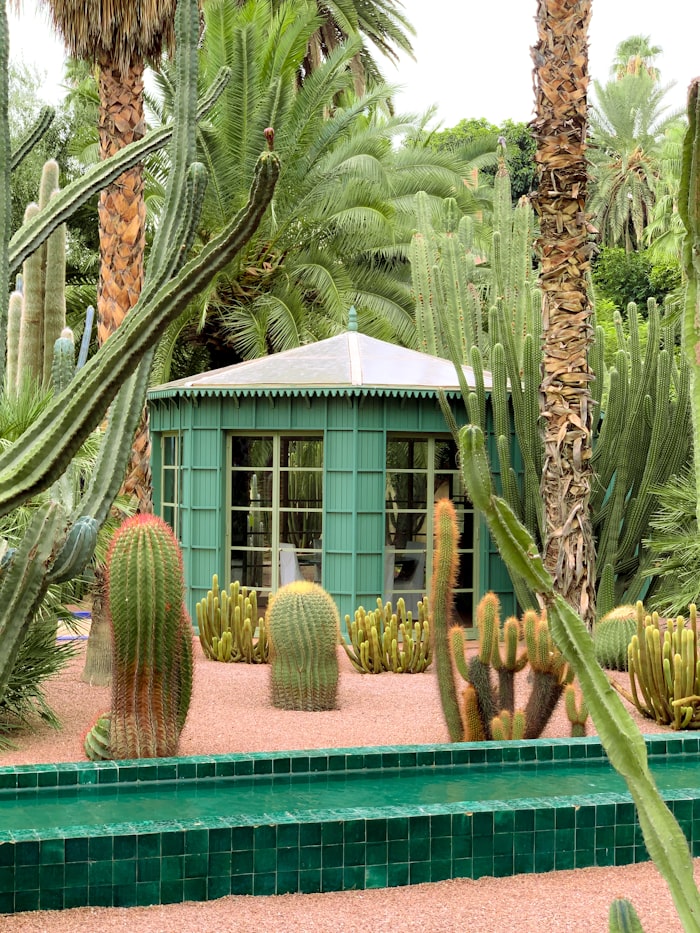
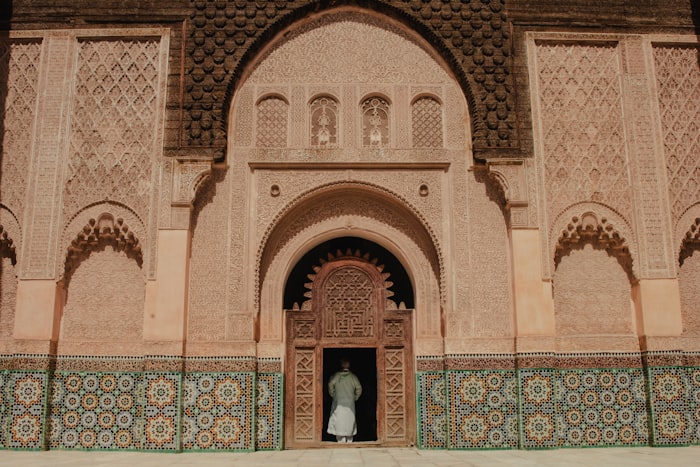
- Day 2: Jardin Majorelle (early), Bahia Palace, Ben Youssef Medersa, medina souk deep-dive, rooftop dinner
- Day 3: Koutoubia Mosque gardens, Saadian Tombs, Le Jardin Secret, Agafay Desert sunset experience
Getting Around Marrakech
The medina is best explored on foot — the narrow alleys are largely inaccessible to vehicles, and walking is the only way to discover hidden fountains, neighborhood hammams, and artisan workshops tucked behind unremarkable doors. For longer distances, Petit Taxis (beige cabs) are plentiful and inexpensive; always agree on the fare before getting in, or insist on the meter. Apps like Careem and inDriver operate in Marrakech and offer transparent pricing.
For day trips to the Agafay Desert, Essaouira, or Ouarzazate, hiring a private driver for the day (easily arranged through your riad) is both comfortable and cost-effective. ProBoost Agency works with several licensed tour operators who can arrange tailored excursions.
Food & Drink in Marrakech
Moroccan cuisine is one of the world's great culinary traditions, and Marrakech is its most celebrated stage. Must-try dishes include: tagine (slow-cooked stew of chicken, lamb, or vegetables with preserved lemon and olives), pastilla (flaky pigeon or chicken pie dusted with powdered sugar and cinnamon), couscous (traditionally served on Fridays), and harira (hearty tomato and lentil soup, especially satisfying during Ramadan evenings).
For high-quality dining, explore the area around Mouassine neighborhood and Rue Riad Zitoun. Nomad on Rahba Kedima is beloved for its modern Moroccan menu and rooftop views. Le Jardin offers a beautiful garden setting for long lunches. For the street food experience, the Jemaa el-Fnaa stalls after dark are unbeatable — try snail soup, merguez sandwiches, and fresh-squeezed orange juice.
Alcohol is available at licensed restaurants and hotel bars. Mint tea is the social lubricant of Moroccan life — accept every offer, it is never just tea, it is always hospitality.
Safety Tips for Tourists in Marrakech
Marrakech is generally safe for tourists, including solo female travelers. The main nuisances — rather than genuine dangers — are persistent vendors and unofficial "guides" in the medina. A polite but firm "La shukran" (No, thank you) usually suffices. Standard urban awareness applies throughout.
- Keep valuables in your riad safe; use a crossbody bag in crowded areas like the medina
- Only use licensed beige Petit Taxis with a meter or a pre-agreed fare
- Drink bottled water; tap water is not recommended for visitors
- Dress modestly in the medina — shoulders and knees covered shows respect
- Always ask permission before photographing people, especially at Jemaa el-Fnaa performers
- Women traveling solo: firm, confident body language is the most effective deterrent to unwanted attention
Cultural Tips for Visiting Marrakech
Marrakech rewards travelers who arrive with curiosity and cultural respect. Remove shoes before entering mosques, homes, and most riads. Morocco operates on a relaxed pace — embrace it rather than fighting it. Bargaining is a normal and expected part of souk culture, not an aggressive confrontation. Start at around 40–50% of the asking price and enjoy the exchange.
Learning a few words of Darija (Moroccan Arabic) or French opens doors and warms hearts: Labas? (How are you?), Shukran (Thank you), Bslama (Goodbye). Small gestures like these transform a good trip into an unforgettable one throughout this extraordinary city.